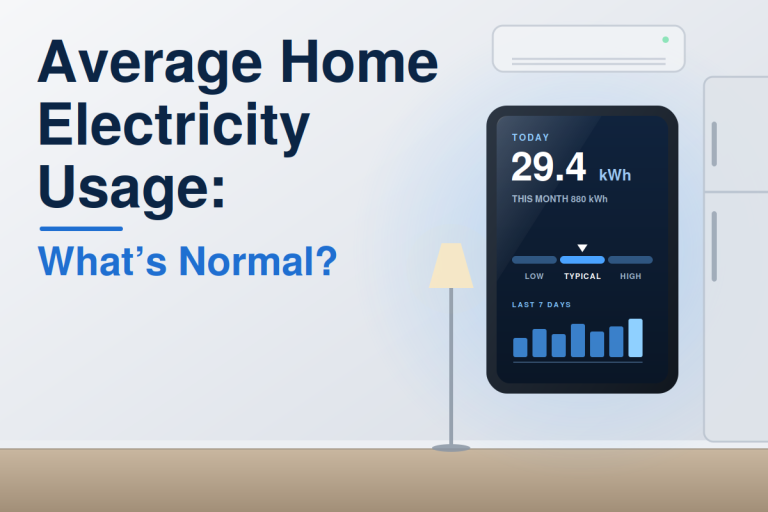
When I first started checking electricity usage on a meter, I thought the process would be as simple as reading one number. It is—but knowing which number to read, how to track it, and how to turn that reading into actual usage makes a big difference.
I found that checking the meter regularly is one of the easiest ways to understand where electricity is going. You can spot unusual increases, compare daily usage, and get a better idea of what may be driving your electric bill.
How to Check Electricity Usage on Meter
The basic method is simple: read the current meter reading, record it, then compare it with an earlier reading. The difference tells you how much electricity you used during that period.
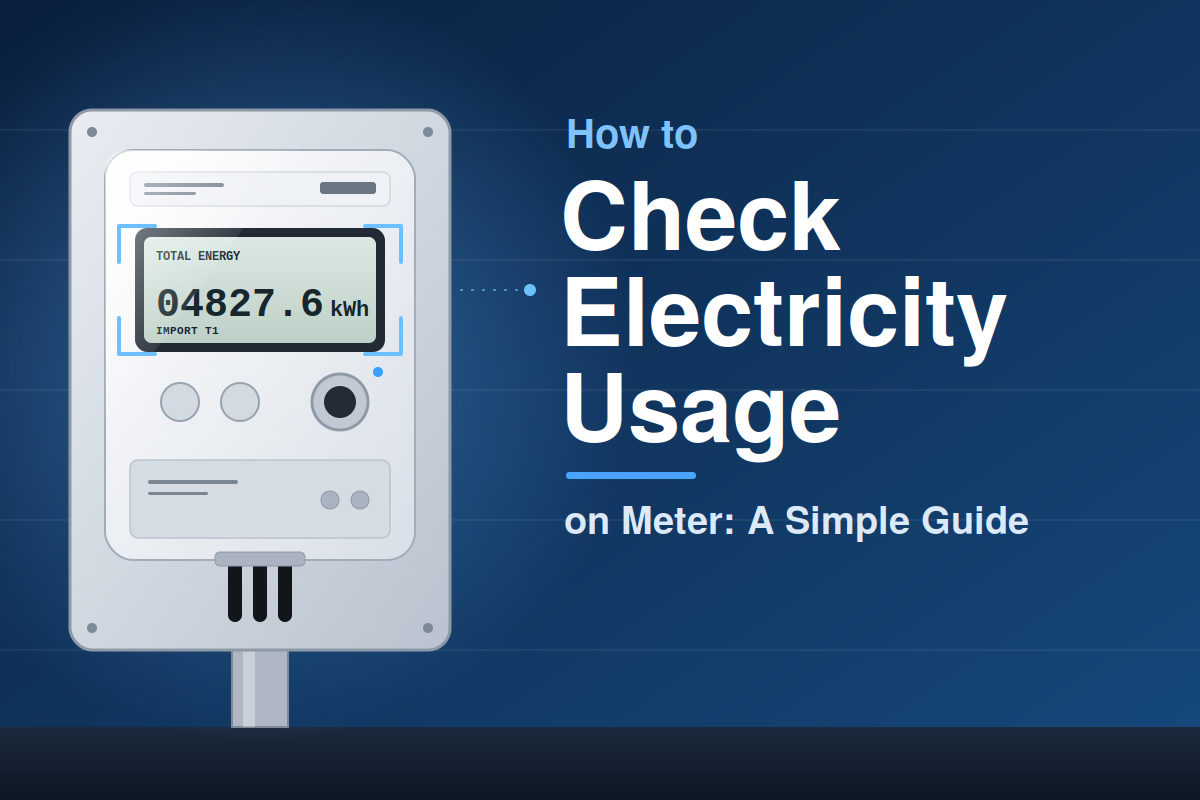
Most electricity meters show energy in kilowatt-hours (kWh). This is the unit usually used for household electricity billing.
| What you see | What it means |
|---|---|
| kWh | Electricity consumed |
| Current reading | Total energy recorded so far |
| Previous reading | Earlier total reading |
For example, if your meter showed 12,450 kWh last week and now shows 12,475 kWh, the difference is 25 kWh.
12,475 − 12,450 = 25 kWh used
That simple subtraction is the key to checking electricity usage on a meter.
Where to Find the Electricity Reading
The exact display depends on the meter. Older meters may have mechanical digits, while newer digital and smart meters usually have an electronic display.
Look for a number associated with:
Do not assume every number on a digital meter is your electricity usage. Some meters cycle through several screens.
| Meter type | What to look for |
|---|---|
| Digital meter | kWh or energy reading |
| Smart meter | Total/import kWh |
| Mechanical meter | Main numbered register |
How to Calculate Electricity Usage From Meter Readings
Once you have two readings, calculating consumption is easy. I recommend writing the reading down rather than trying to remember it. It saves confusion later.
Use this formula:
Electricity used = Current meter reading − Previous meter reading
Suppose your readings are:
| Reading date | Meter reading |
|---|---|
| October 1 | 8,620 kWh |
| October 5 | 8,655 kWh |
Your usage is 35 kWh over four days.
This method is much more useful than simply looking at the current meter number. The current number is a running total. The difference between two readings tells you what you actually used.
How to Check Daily Electricity Usage
For daily tracking, take a reading at roughly the same time each day. I learned that consistency matters more than perfect timing.
If you check at 8 AM one day and 10 PM the next, the comparison includes different lengths of time.
A simple record can look like this:
| Day | Reading | Daily use |
|---|---|---|
| Monday | 5,210 kWh | — |
| Tuesday | 5,218 kWh | 8 kWh |
| Wednesday | 5,225 kWh | 7 kWh |
After a week or two, patterns become much easier to see.
How to Read a Smart Electricity Meter
Smart meters can look more confusing because they often display several readings. Instead of assuming the first number is your usage, let the display cycle through its information.
The important figure for normal household consumption is usually the accumulated kWh reading.
Which Smart Meter Number Shows Electricity Usage?
Look for the cumulative energy value, often shown as kWh. Depending on the meter and utility, you may also see information for voltage, current, power, tariff, or other meter functions.
| Display information | Usually useful for usage tracking? |
|---|---|
| Total kWh | Yes |
| Voltage | No |
| Current | No |
| Instantaneous power | Useful for a different purpose |
The exact display sequence varies by meter model, so the meter label or utility guide is worth checking if the symbols are unclear.
How to Check Which Appliances Are Using the Most Electricity
Reading the meter tells you how much electricity the home is using. It does not immediately tell you which appliance is responsible.
This was one of the things I misunderstood at first. A higher meter reading does not automatically mean the last appliance I switched on caused the increase.
For a rough check, switch off or unplug non-essential loads and watch the meter’s power information, if available. Some smart meters show near-real-time demand.
For individual appliances, a plug-in energy monitor can be more useful.
| Situation | Best method |
|---|---|
| Whole home usage | Electricity meter |
| One appliance | Plug-in energy monitor |
| Long-term tracking | Meter readings |
| Live household demand | Smart meter display |
Why Your Electricity Meter Reading May Suddenly Increase
A sudden increase does not always mean something is wrong. In my experience, changes in routine can have a bigger effect than expected.
Air conditioners, electric heaters, water heaters, refrigerators, pumps, and other high-power appliances can push consumption up quickly.
Common Reasons for Higher Electricity Usage
| Possible reason | What to check |
|---|---|
| More air-conditioner use | Hours of operation |
| Water heating | Heating schedule |
| New appliance | Its power rating |
| More people at home | Daily usage pattern |
| Faulty equipment | Unusual heat or noise |
Weather also matters. A hot week can increase cooling demand, while colder weather can increase heating use.
Common Mistakes When Checking Electricity Usage
The biggest mistake is treating the meter’s current number as the amount used during the month. It is normally a cumulative reading.
Another mistake is comparing readings taken at very different times of day.
| Mistake | Better approach |
|---|---|
| Reading only once | Record two or more readings |
| Ignoring the unit | Confirm it is kWh |
| Comparing random times | Use similar times |
| Assuming every display number is usage | Find the energy reading |
I also recommend taking a photo of the meter when recording a reading. It gives you a quick reference if you later question a number.
Can You Check Electricity Usage Without Waiting for the Bill?
Yes. If you can access the meter reading, you can track consumption before the electricity bill arrives.
This is especially useful when you want to know whether your household is using more electricity than usual. A few days of readings can reveal a change much earlier than a monthly bill.
A Simple Meter Tracking Routine
You do not need an elaborate spreadsheet. A phone note is enough.
Record:
- Date
- Time
- Meter reading
- Difference from the previous reading
After several weeks, you can compare weekdays, weekends, hot days, and periods when certain appliances were running more often.
What If the Meter Reading Does Not Match the Electricity Bill?
A small difference may happen because the utility company and your personal reading may be taken on different dates.
Check the previous reading, current reading, meter number, and billing period before assuming there is an error.
| What to compare | Why it matters |
|---|---|
| Meter number | Confirms the correct meter |
| Previous reading | Shows starting point |
| Current reading | Shows ending point |
If the difference is large and you cannot explain it, contact your electricity provider and ask them to review the meter and billing records.
How Often Should You Check Your Electricity Meter?
For normal household monitoring, once a day is more than enough. If you only want to understand your monthly consumption, checking once or twice a week can work well.
I would not recommend obsessively watching the number every few minutes. Electricity use naturally changes throughout the day, and short-term fluctuations can be misleading.
A consistent routine gives you much better information.
Final Thoughts
Learning how to check electricity usage on meter is mostly about comparing readings, not staring at the meter and guessing what the numbers mean. Record the kWh reading, subtract the previous reading, and keep the timing reasonably consistent.
The most useful lesson is to look for patterns rather than one unusual number. Once you have a few weeks of readings, your electricity use becomes much easier to understand, and you can start connecting higher usage with changes in your daily routine.